
Management and approval systems
Quotes, requests, inventory or planning with statuses, owners and permissions defined around your operation.
If your operation relies on spreadsheets, emails and repeated tasks, we turn that process into a tool of your own. We build the data, screens and connections your team needs to work.
The starting point is a specific task: who does it, what information they use and where it gets stuck.
Everyone updates a copy and it is hard to know which is current. A system can bring records, owners and changes together.
Your tool covers routine work, but exceptions live in macros, emails or files. We define how to handle those steps.
Quotes, bookings or planning require custom checks. We build them around criteria your team can review.
Data is entered again and task status gets lost. We can connect existing tools and build the missing part.
Quotes, requests, inventory or planning with statuses, owners and permissions defined around your operation.
ERP, CRM, billing, logistics or payment integrations. Each workflow includes validation and error handling.
See integrationsA place to find information, submit requests and check progress, with access based on each person’s role.
See web applicationsWe model what is stored and how it relates. We build queries and screens for working with information in the system.
Classify a request, extract data or prepare a record within the process. We define the validation and review it needs.
See AI agentsStores, marketplaces and applications with catalogues, search and their own rules. We connect the experience to the agreed operation.
Five phases, each with its own deliverable. You can stop at the end of any of them and keep what was delivered: the code and the documentation are yours throughout.
We review the work with the people doing it: inputs, decisions, exceptions and the expected result.
Deliverable: Process map, risks and a build-or-not decision.
What goes into each phase, what stays out and how it will be accepted. Dates are committed per phase, never for the whole before discovery closes.
Deliverable: Scope document with phases, dates and acceptance criteria.
We deliver reviewable increments. Each phase ends in an environment you can use, not in a recorded demo.
Deliverable: A deployed, working phase.
Tested against the agreed criteria, error paths and data migration included.
Deliverable: Executed tests, fixed issues and migrated data.
Repository, technical documentation, access and a handover session. Ongoing support is agreed separately and in writing.
Deliverable: Repository, documentation and a support agreement if there is one.
Tremus combines ecommerce, an app and AI voice assistance; Rakizu addresses school planning; Publica Tu Auto connects vehicle search and listings.
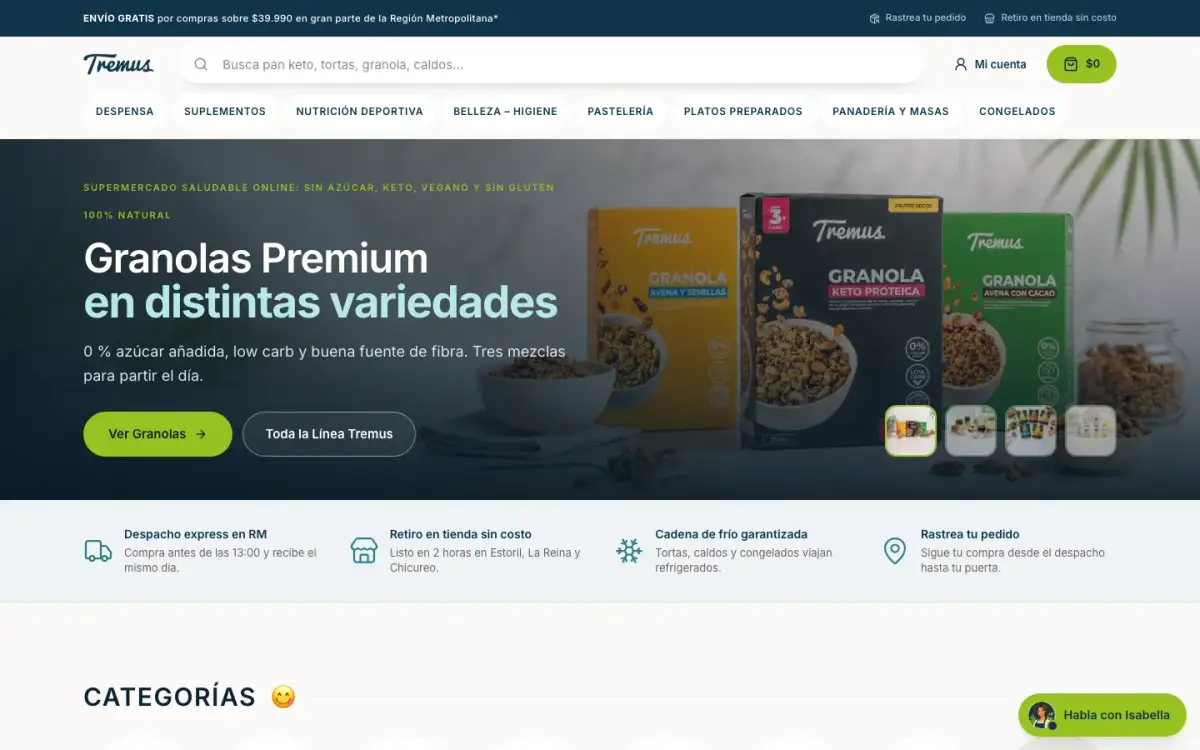
An online store, an iPhone app and an assistant that answers in real time by voice using the brand’s knowledge.
View project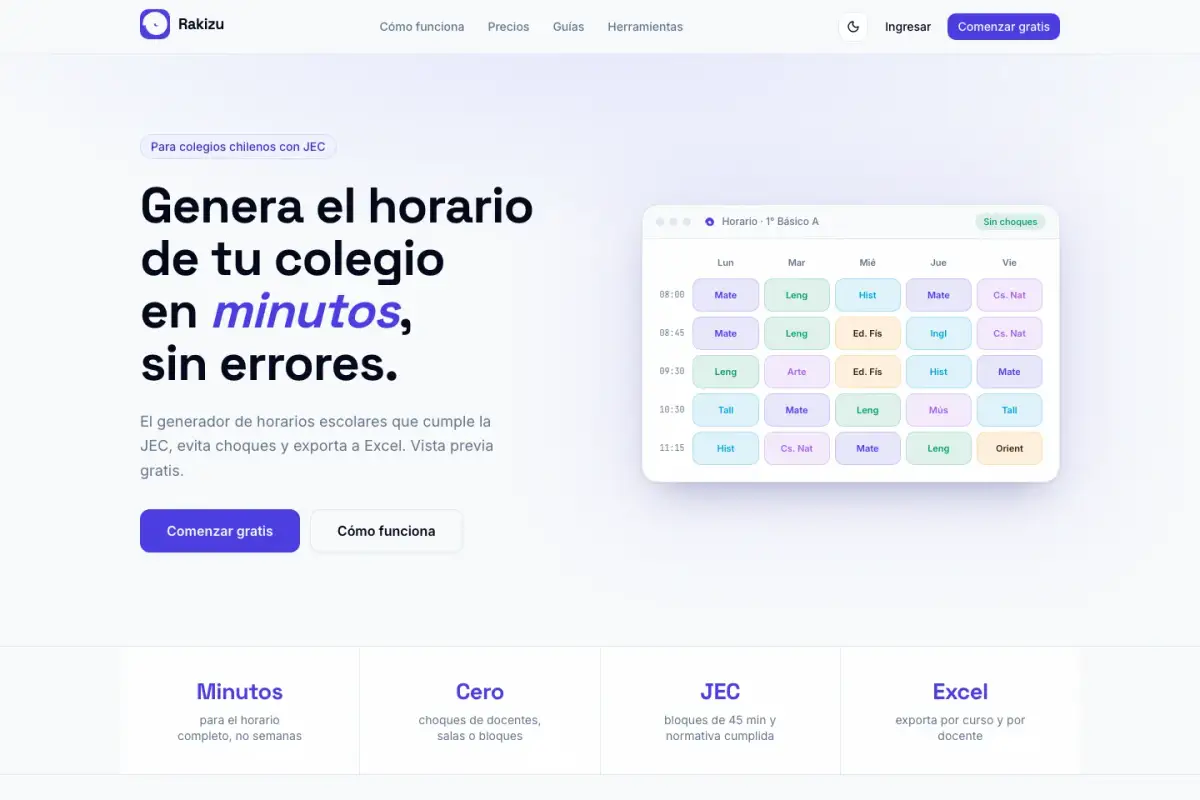
An education software project bringing classes, teacher availability and constraints into a timetable planning experience.
View project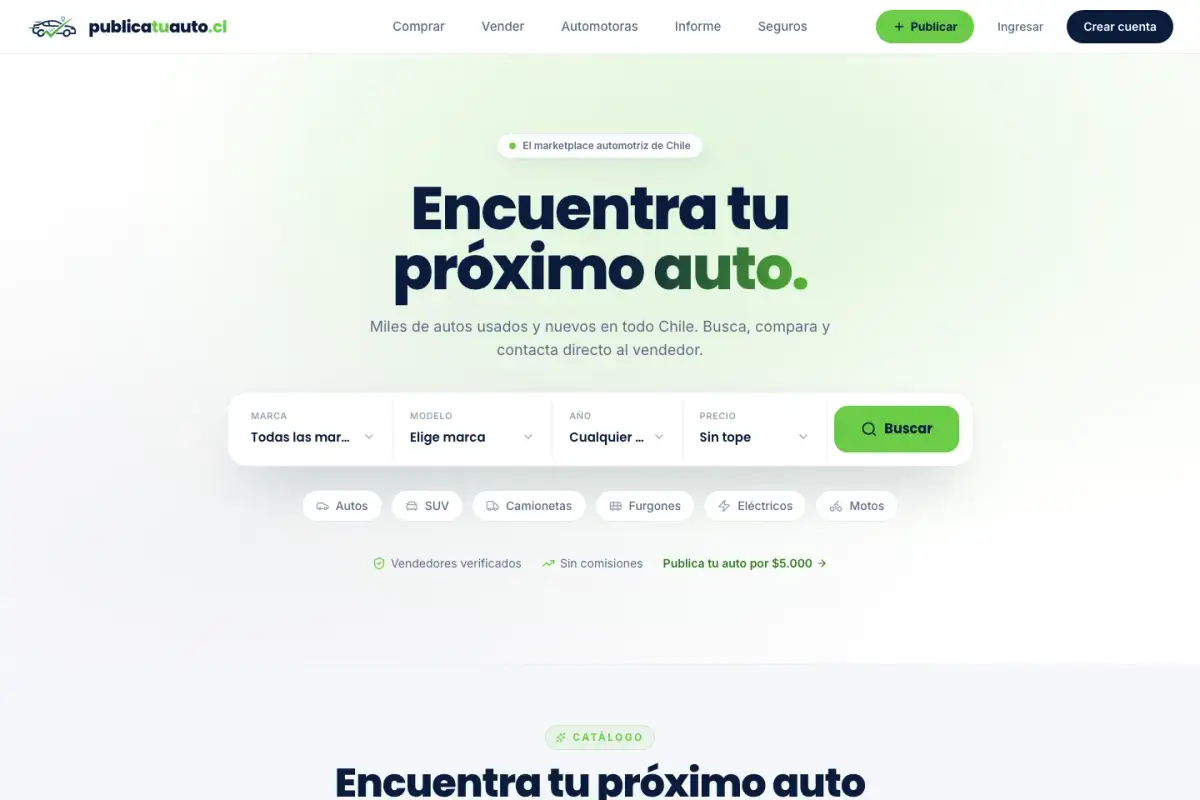
A vehicle marketplace with paths for people looking for a car and people who want to list one.
View projectWritten down before we start, so there are no surprises in the invoice or in the operation.
Custom development is quoted by scope, not by a published rate: the same system can vary by an order of magnitude depending on integrations, migration and service level. The quote follows discovery and states what is included, what is excluded, and the phases with their dates.
Recurring third-party costs: Infrastructure, third-party licences and, if the project uses AI models, their usage. We estimate them before starting and present them separately from development.
We evaluate available tools, your business rules and the cost of maintaining workarounds. Custom development adds value when you need proprietary processes, integrations or an experience a standard solution cannot support. We define that decision during discovery.
It depends on scope, which is why we publish no rate. The variables that move the price most are the number of integrations, data migration, security requirements and the service level afterwards. The quote follows discovery, broken down by phase.
The client does, from the first phase. At the end of each one we hand over the repository, documentation and access. We use no proprietary components that force you to stay with us.
You keep everything delivered and working up to that phase, plus its documentation. That is the reason for phased delivery rather than one final milestone.
An order, enquiry or stock change should not require updating several tools by hand. We connect your applications so data reaches the right place and you can see what happened.
We build online stores, portals and web applications that help people buy, request a quote or complete a task. We design the journey and connect payments, data and the tools behind your operation.
Does your team answer the same questions or copy data from emails? We build agents that consult your knowledge, extract information and act in your systems, with clear rules and review where needed.
Start with a spreadsheet, a repeated task or a product idea. We review who will use it, which data it needs and what the first phase should deliver.