
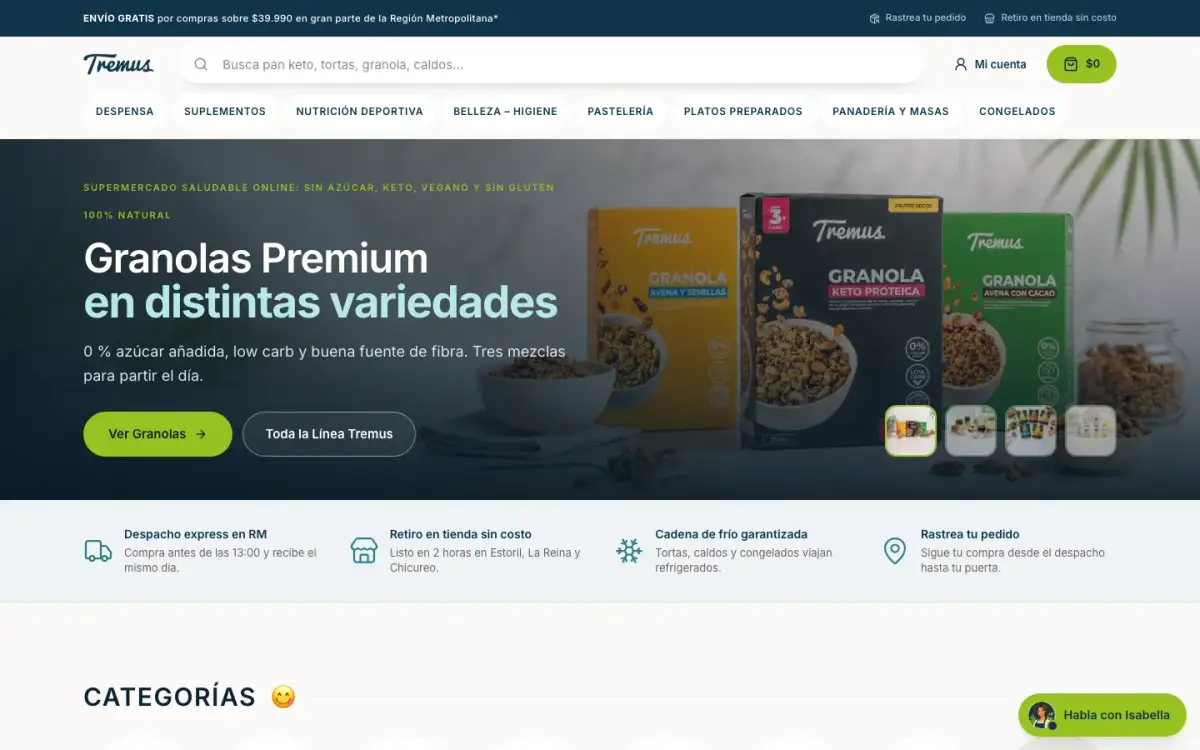
Tremus: ecommerce, an app and voice assistance
An online store, an iPhone app and an assistant that answers in real time by voice using the brand’s knowledge.
View projectWe build online stores, portals and web applications that help people buy, request a quote or complete a task. We design the journey and connect payments, data and the tools behind your operation.
We define the journey from the first visit to the action your customer or team needs.
Visitors cannot find what to choose or how to continue. We organise the offer, detail pages and steps to enquire or buy.
Forms arrive in different places. We can record requests with their details and status so your team can follow up.
Orders or information changes create repeated work. We connect the web experience to the systems you already use.
Pricing, permissions, bookings or approvals have specific conditions. We turn those rules into a journey people can complete.
Tremus brings together ecommerce, an app and voice assistance. Delpa Group and Publica Tu Auto show other ways to turn an offering into a web experience.
An online store, an iPhone app and an assistant that answers in real time by voice using the brand’s knowledge.
View project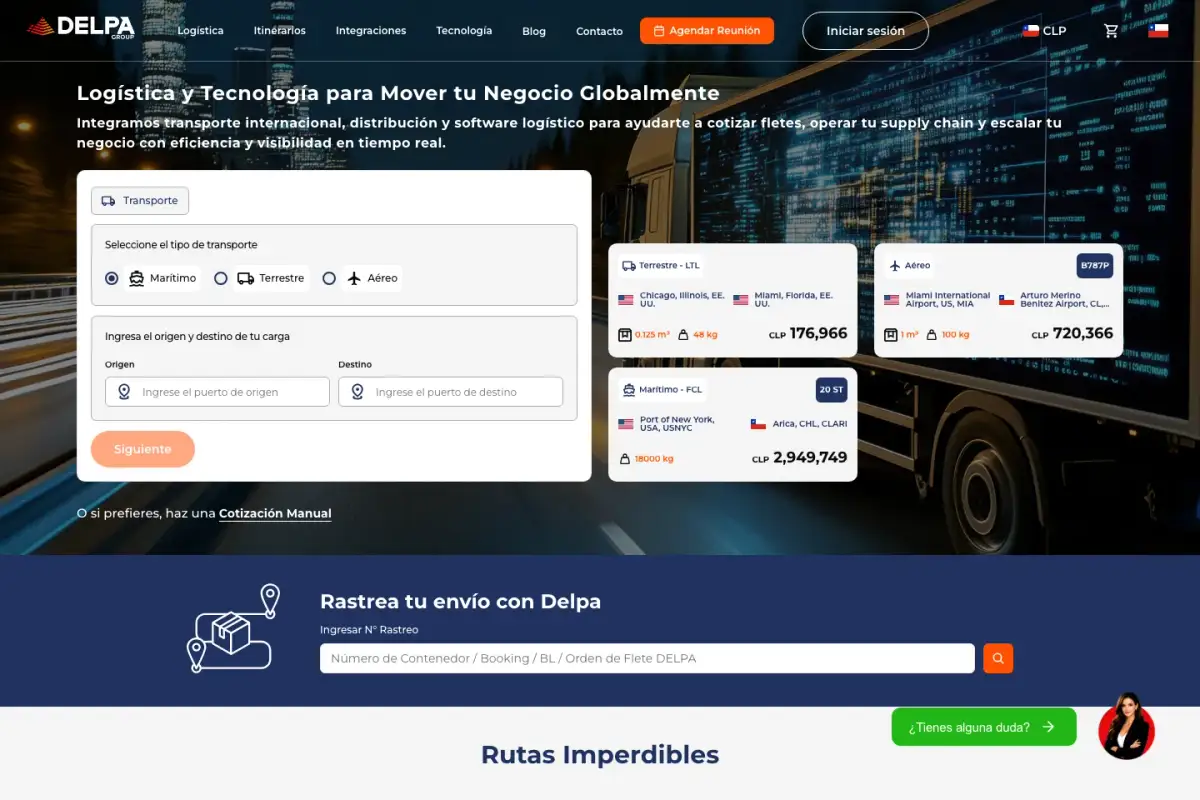
A website bringing freight services, quote requests and shipment tracking closer to businesses moving cargo.
View project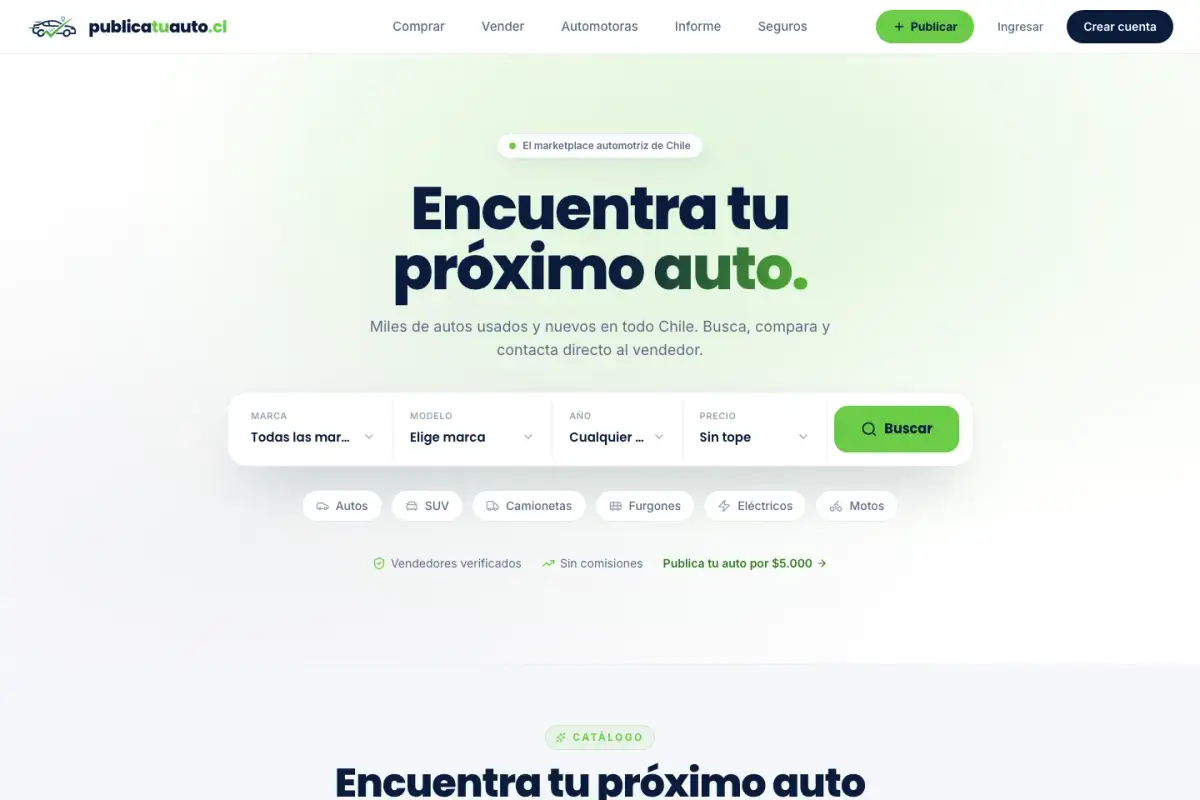
A vehicle marketplace with paths for people looking for a car and people who want to list one.
View projectCatalogues, product pages, carts and payment connections. We define how orders reach the team fulfilling them.
Customers, suppliers or teams access their documents, requests, statuses or tools according to their roles.
Capture the details needed for a quote or enquiry and connect them to the system where your team handles it.
See integrationsScreens to create, review and approve records, with dashboards showing what is pending and who needs to act.
Assistants that retrieve your business knowledge and help within the experience, with agreed actions and connections.
See AI agentsWhen the project needs a mobile app, we define what it shares with the website and what the phone experience needs.
The interface depends on data, permissions and a way to operate the application. We define these deliverables as part of the scope.
Who sees what and who can do what, enforced on the server and not merely by hiding buttons.
Deliverable: Role matrix and access tests.
What is stored, what can be deleted and how you know who changed each thing.
Deliverable: Data schema and audit log.
Authentication, sessions, input validation and handling of personal data as applicable.
Deliverable: Security review of the delivered work.
A staging environment separate from production, with repeatable and reversible deployments.
Deliverable: Configured environments and automated deployment.
Documentation for operating and updating the application. If you need monitoring and ongoing support, we agree their scope and owners.
Deliverable: Operations documentation and a support agreement if there is one.
It depends on the action people need to complete. A website presents your offer and receives enquiries; an online store adds purchasing; a web application supports accounts, data and business rules. We define the right option and connections with you.
Yes, and it is the recommended path. Delivery is phased, each phase with its own working deliverable. You can stop at the end of any of them and keep it.
You can — we hand over repository, documentation and access — or you can contract support with us. Without a support contract, delivery closes at handover.
If your operation relies on spreadsheets, emails and repeated tasks, we turn that process into a tool of your own. We build the data, screens and connections your team needs to work.
An order, enquiry or stock change should not require updating several tools by hand. We connect your applications so data reaches the right place and you can see what happened.
Create a web platform that fits your business model. We combine product design, application architecture and integrations in a solution you can own and evolve.
Buy, request a quote, book or find information. Tell us the main action and which tools need to connect to make it possible.